- Promotions
- Kits
- Washing
-
Rim & Tire
Rim & Tire - Sale
- New
-
Decontamination
Decontamination - Sale
- New
-
Correction & Polishing
Correction & Polishing - Sale
- New
- Protection
- Interior
-
Windows
Windows - Sale
- New
-
Accessories
Accessories - Sale
- New
- Others
- Professional products
- Brands
- My pro area
- Wishlist
- Blog
Why use a ThermoPad instead of a conventional pad?
Polishing is undoubtedly the most physically demanding and time-consuming step. With that in mind, you need the right tools and products (pad, polish, machine) to work as efficiently as possible.
Choosing a pad is therefore not something to leave to chance. Both the type (wool pad, foam pad, etc.) and, above all, the quality matter.
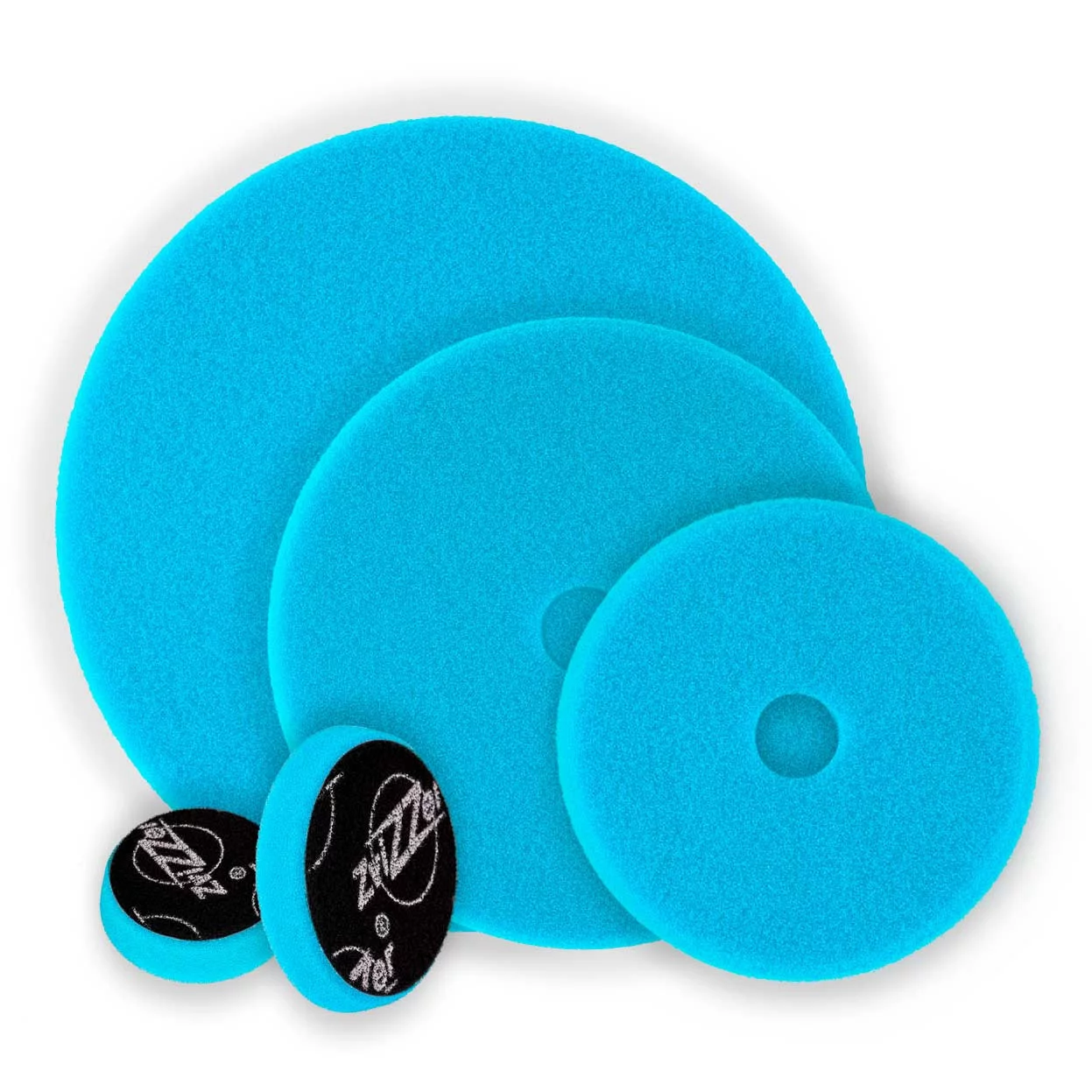
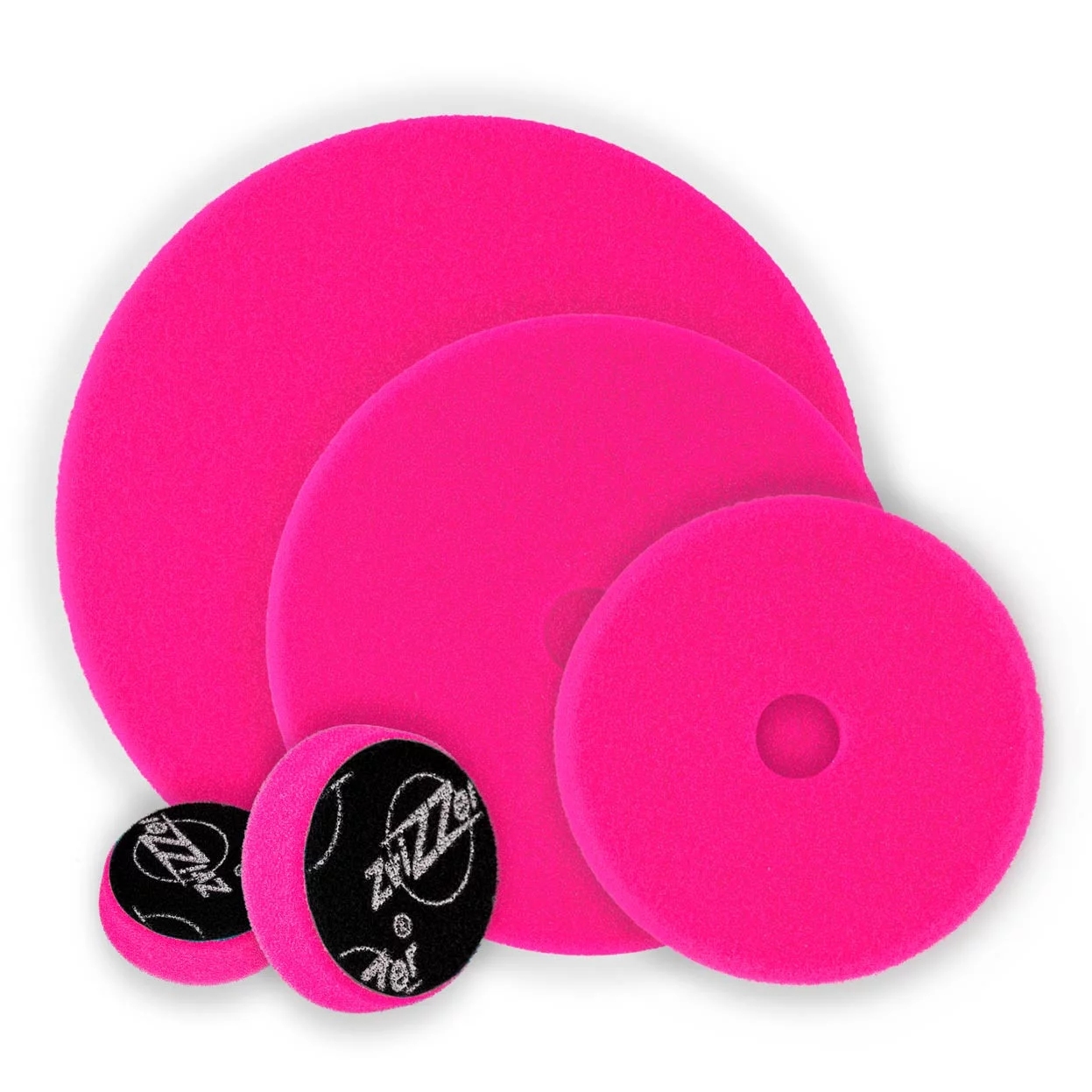
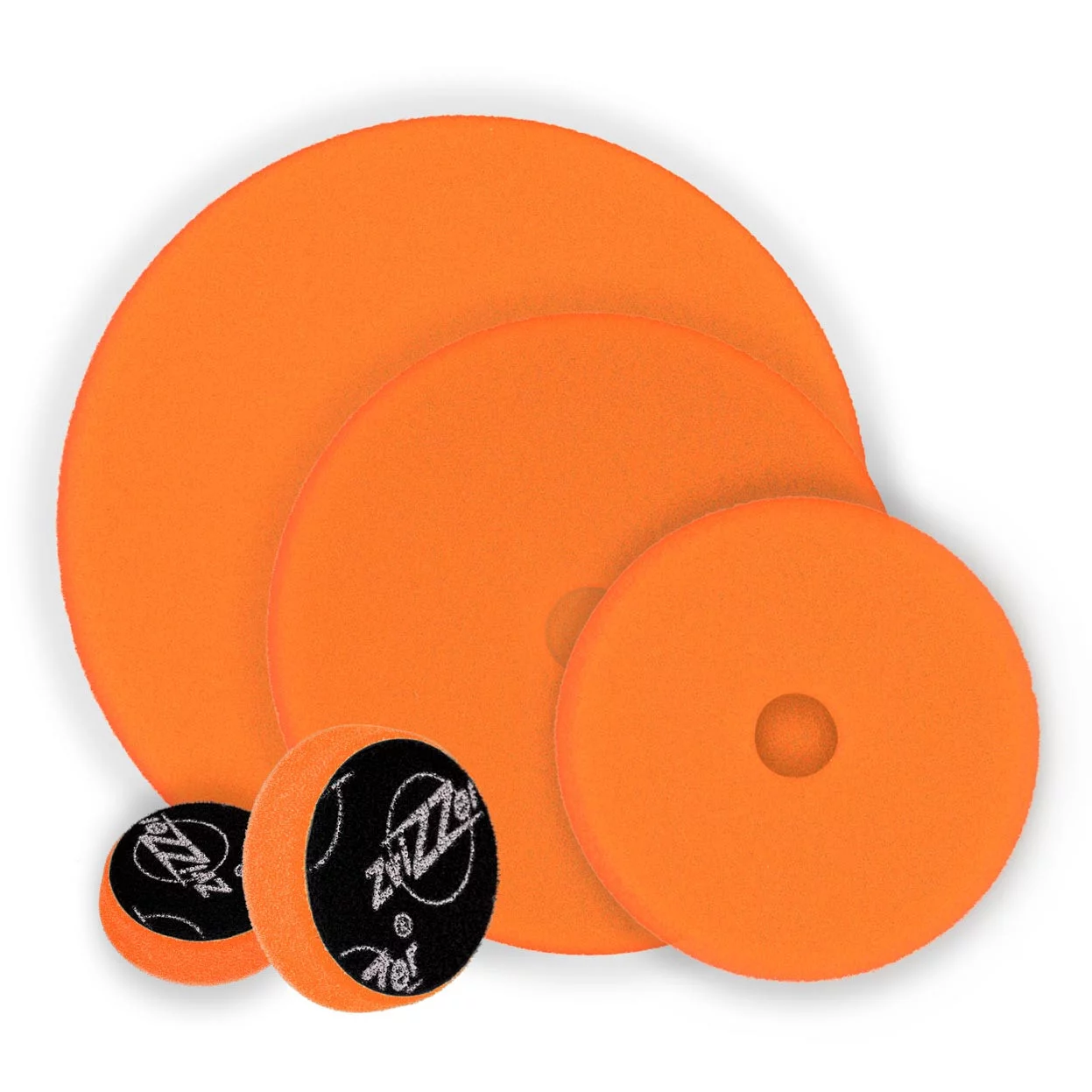
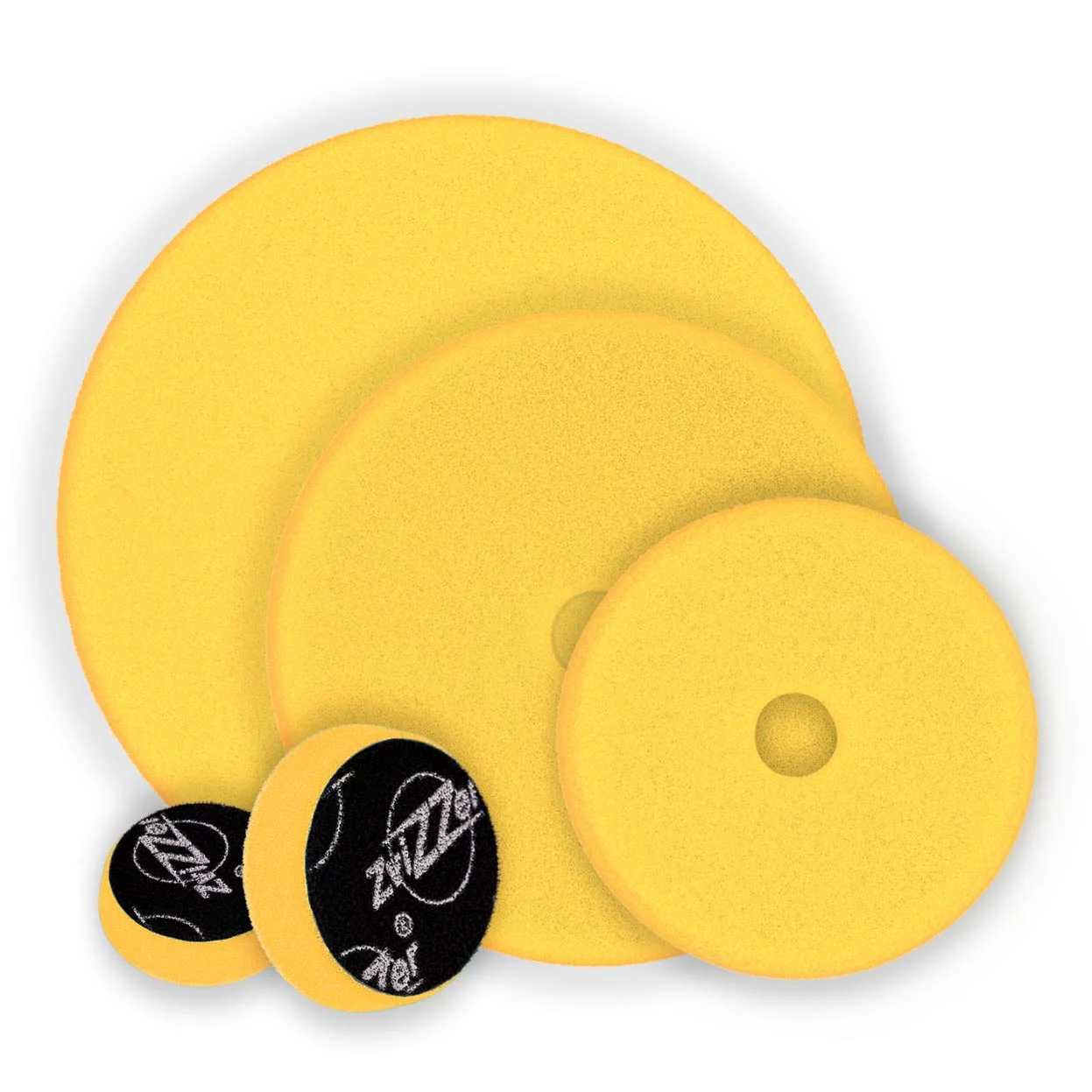
This is where the Thermo technology used by Zvizzer in its well-known foam pads comes in: ThermoPads. Is this patented technology just marketing, or is it a real "game changer"? Let’s take a closer look.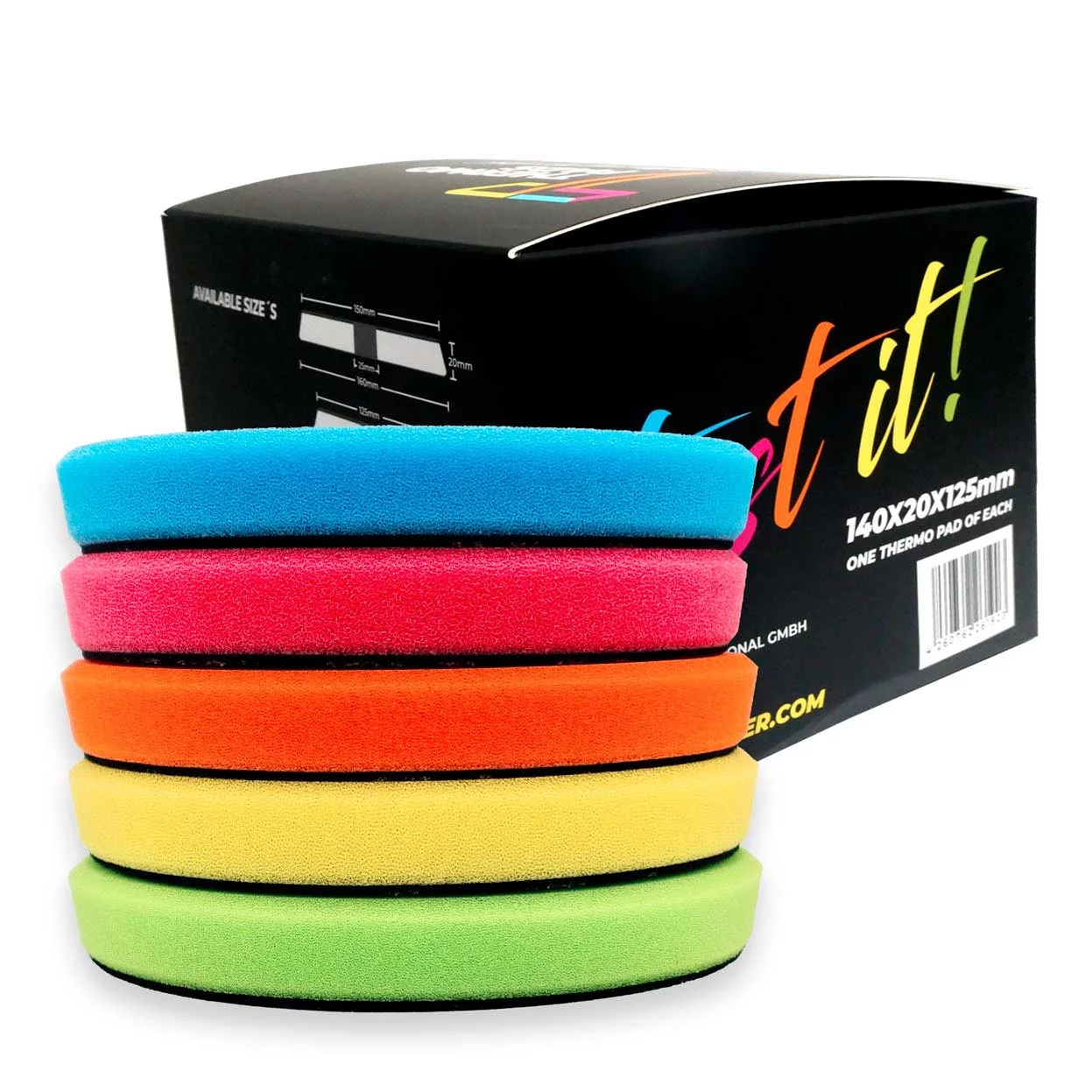
What is a ThermoPad?
A foam pad is made from plastic materials formed into rectangular blocks. These are then cut into "slices", which are die-cut to give the pad its final shape. Broadly speaking, that is how a foam pad is made.
It all depends on the raw material chosen to make the pad, because Thermo technology starts with the choice of foam.
The distinctive feature of the foam used in ThermoPads is its ability to retain its firmness even as temperatures rise. This property comes from the plastics molded to make the pad.
Who hasn’t experienced a firm foam pad going soft after three or four passes with plenty of pressure? That inevitably happens with standard foams. Standard foams lose around 85% of their firmness as they heat up, while a ThermoPad loses no more than 15% under the same working conditions.
The Thermo foam used in a ThermoPad avoids this drawback because it retains its firmness even when the temperature rises quickly.
Thermo technology is used in heavy-cut pads (where the benefit is even greater), as well as finishing pads and some hybrid wool or microfiber pads. In the latter, only the foam interface uses Thermo technology.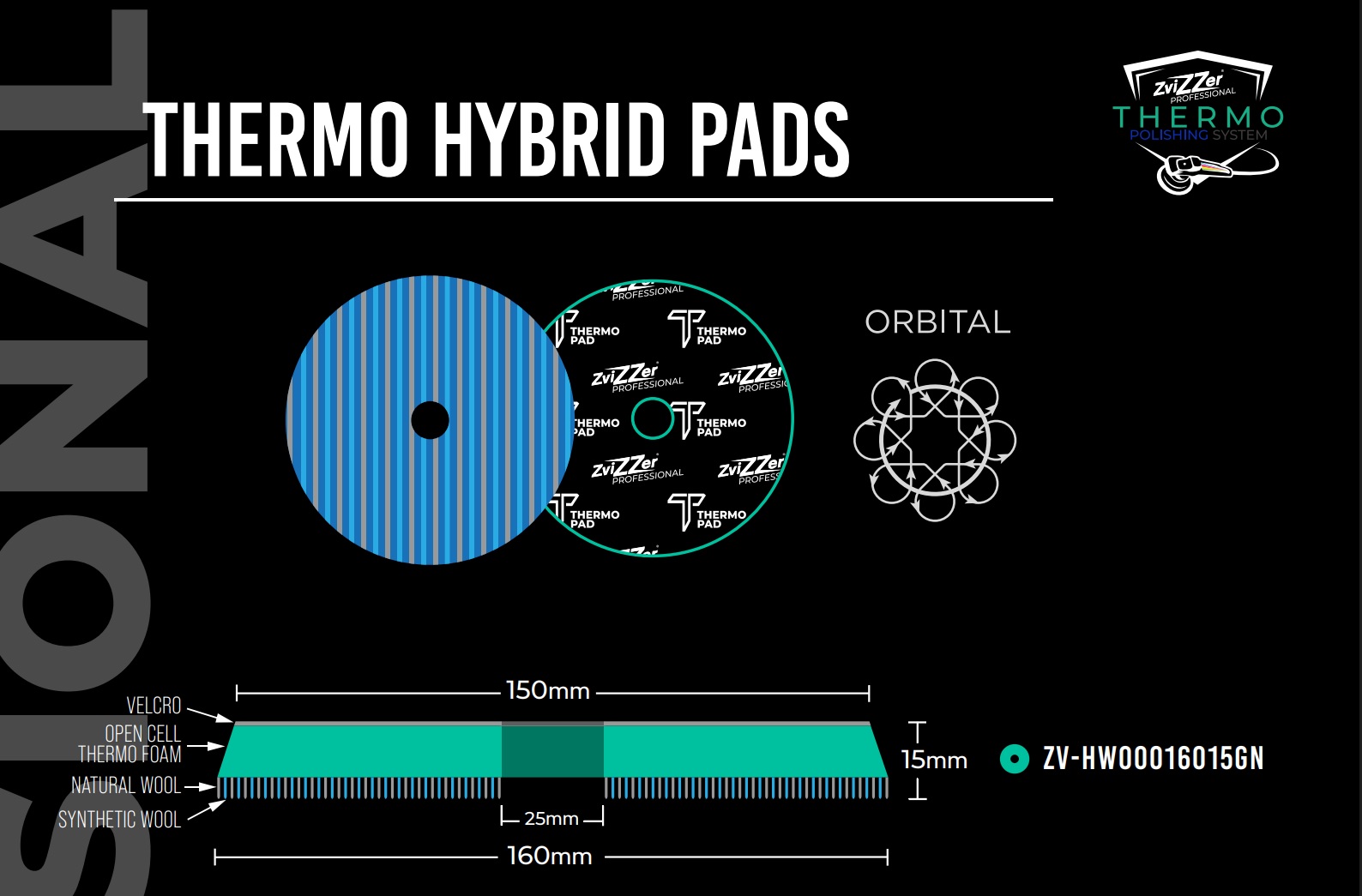
The second advantage of using a ThermoPad is greater durability, thanks to the foam’s higher resistance to wear compared with a conventional pad. It will generally wear out three to five times more slowly. The pad edges, in particular, are much less likely to crumble.
The pad’s open-cell structure helps dissipate heat more effectively than a conventional pad.
One final advantage that gets less attention is the pad’s stability during use. A ThermoPad is much more stable than a conventional pad because its foam is better balanced and stays cooler. You can work with greater confidence, and the pad will deform less. The hook-and-loop backing also plays a role in pad stability.
Conclusion:
A ThermoPad will always outperform a conventional foam pad. Better stability, less deformation and retained firmness—even with the firmest pads (cutting pads). You’ll work more efficiently, and the pads will last longer, too.
You’ll no longer have to deal with a cutting pad that goes soft after a few passes and needs replacing before you can continue correcting effectively.
The only drawback may be the purchase price, which is admittedly slightly higher than that of a conventional pad. But the longer pad life makes up for it. We’re only talking about a few extra euros, well justified by the significantly better technical characteristics.
In every respect, then, we can only recommend using a ThermoPad. Try one and you’ll be convinced. Zvizzer remains the leading brand and offers different pads depending on the defects you need to correct. Whether you choose Trapez or All-Rounder, you’ll find a pad for your polisher.