- Promotions
- Kits
- Washing
-
Rim & Tire
Rim & Tire - Sale
- New
-
Decontamination
Decontamination - Sale
- New
-
Correction & Polishing
Correction & Polishing - Sale
- New
- Protection
- Interior
-
Windows
Windows - Sale
- New
-
Accessories
Accessories - Sale
- New
- Others
- Professional products
- Brands
- My pro area
- Wishlist
- Blog
How to Properly Treat or Restore Unpainted Exterior Plastics
The unpainted plastics on bumpers, wheel arch flares, and diffusers are often exposed to UV and heat. Regular care helps protect them from the elements over time. Even so, some low-quality plastics will age poorly regardless. In those cases, you may consider restoring their pigmentation with ceramic-based products.
Starting condition and common problems:
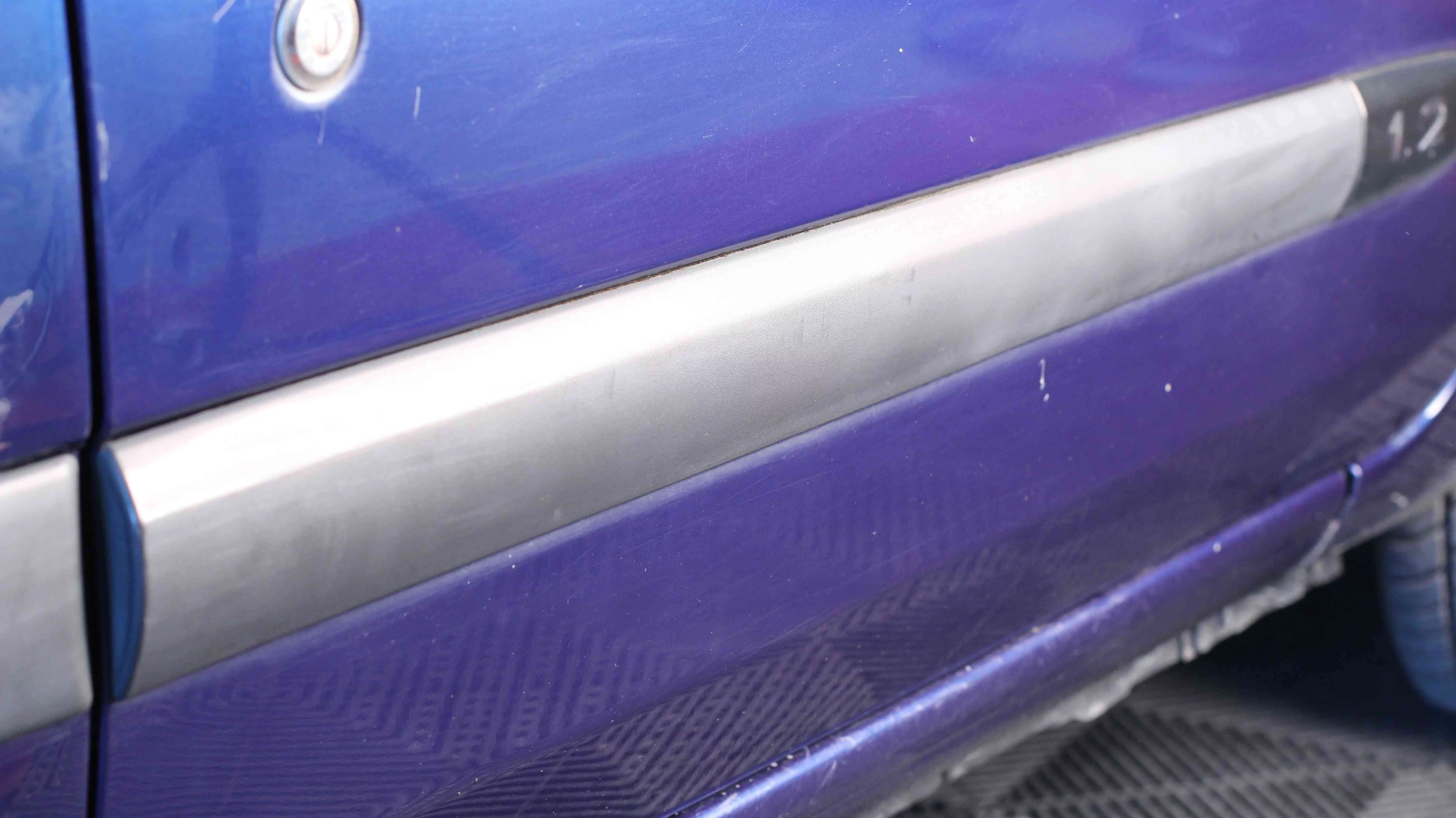
Unpainted exterior plastics are still common on new cars (they cost less to produce and replace, or give certain models a deliberate off-road look). They were also very common on older vehicles and were often poor quality. Over time, the plastic’s original black color turns grayish or even white.
Why? UV exposure in particular (from the sun and moon), salt air for vehicles parked near the coast, and repeated washing with unsuitable detergents.
A typical example is recent-generation Mini vehicles, which have unpainted plastic in many places, particularly on the wheel arch flares. These can age very poorly: low-quality plastic, heavy UV exposure, and a lack of maintenance by owners cause them to turn gray quickly, detracting from the vehicle’s overall appearance.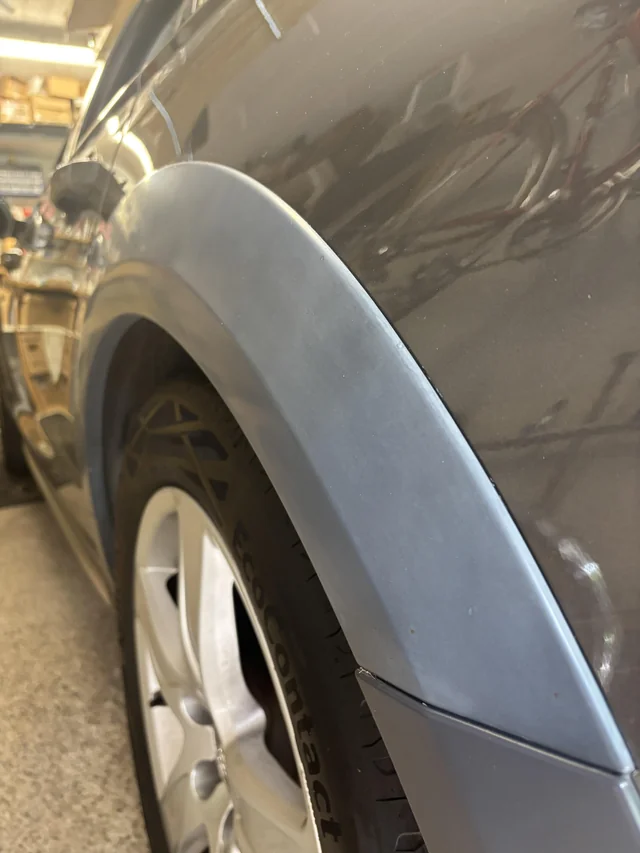
Preparing the surfaces:
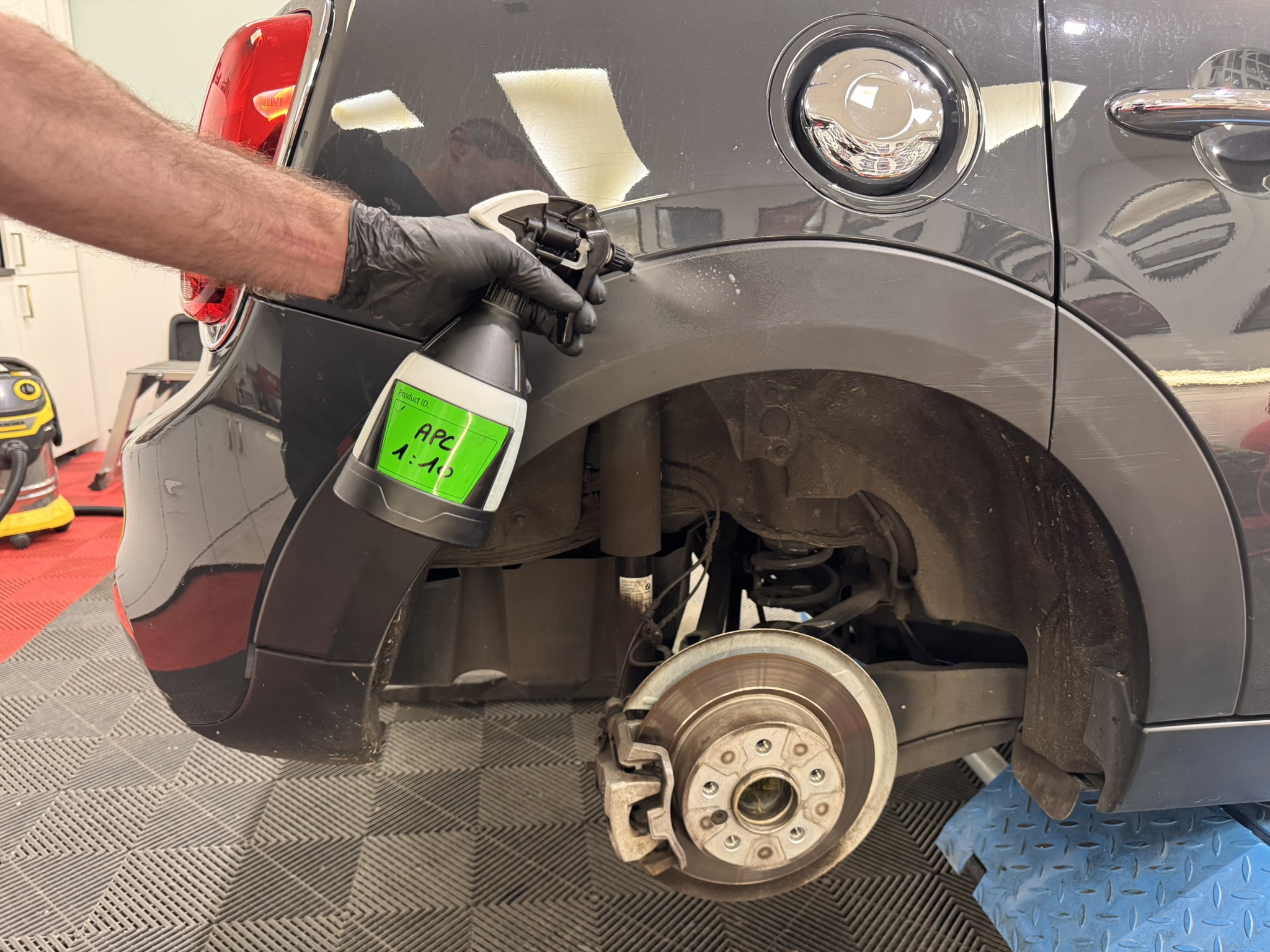
The first step, as always, is to thoroughly clean the surfaces before applying a protective product known as a dressing. If you apply a dressing before the surface is completely clean and degreased, it will not penetrate the unpainted plastic. Instead, it will sit on the surface and leave a greasy, uneven finish.
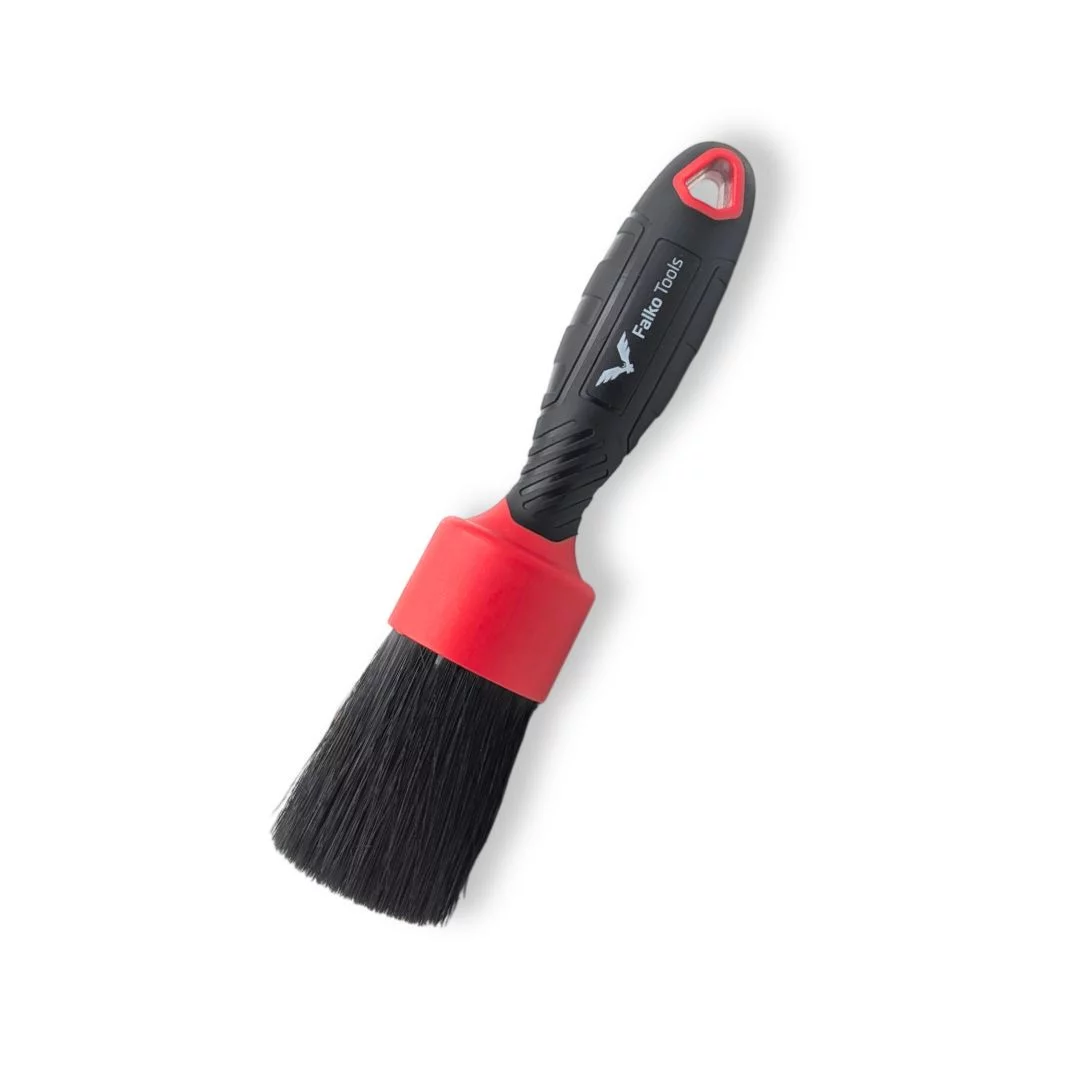
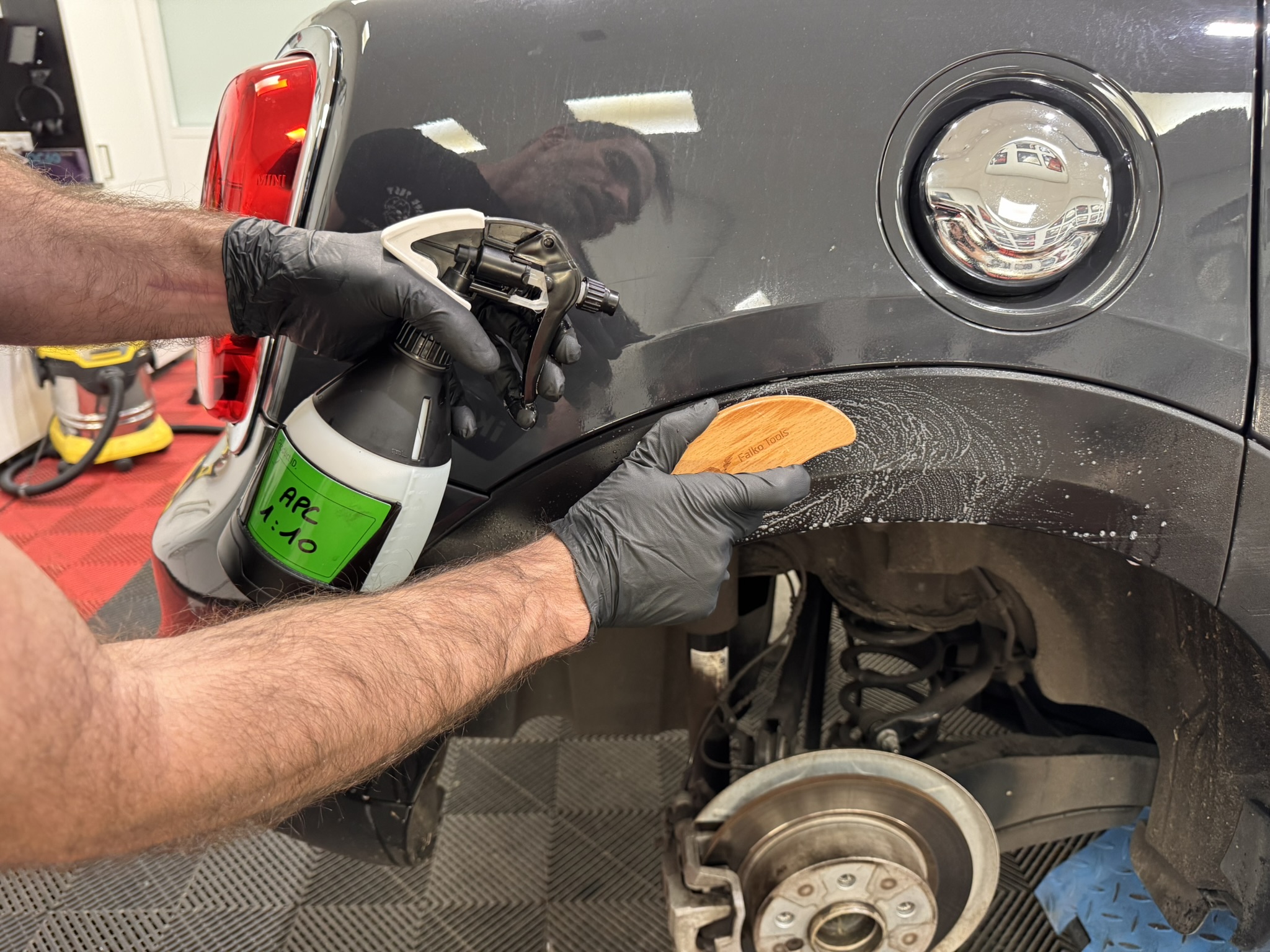
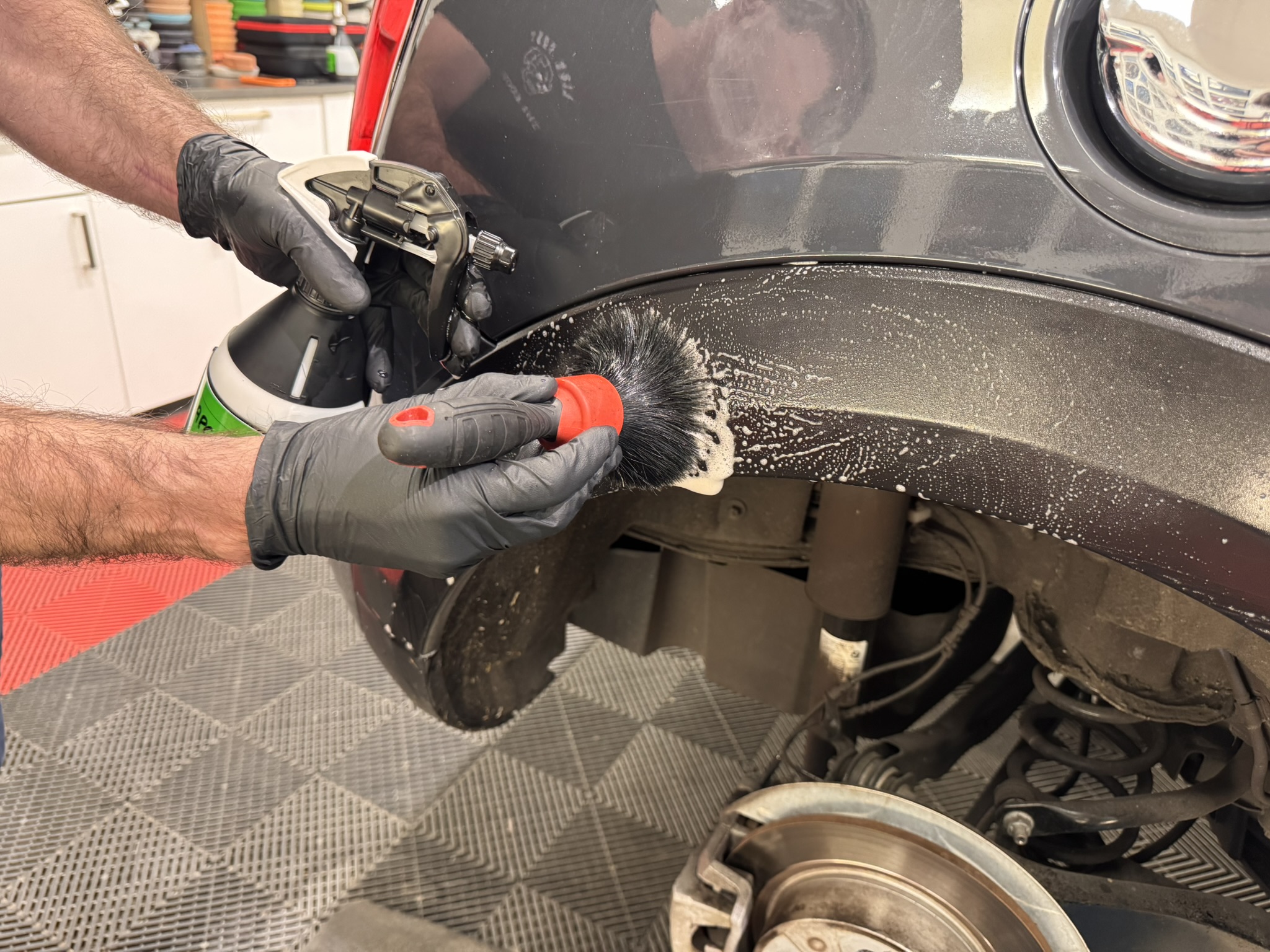
Use an APC (All Purpose Cleaner): either a concentrate that you dilute yourself (more versatile and economical), such as Green Star by KOCH CHEMIE, or a quicker, ready-to-use product such as Classic All Purpose Cleaner RTU by VALET PRO. Use detailing brushes, cleaning brushes, or pads to agitate the product thoroughly and dislodge dirt from the pores of the material.
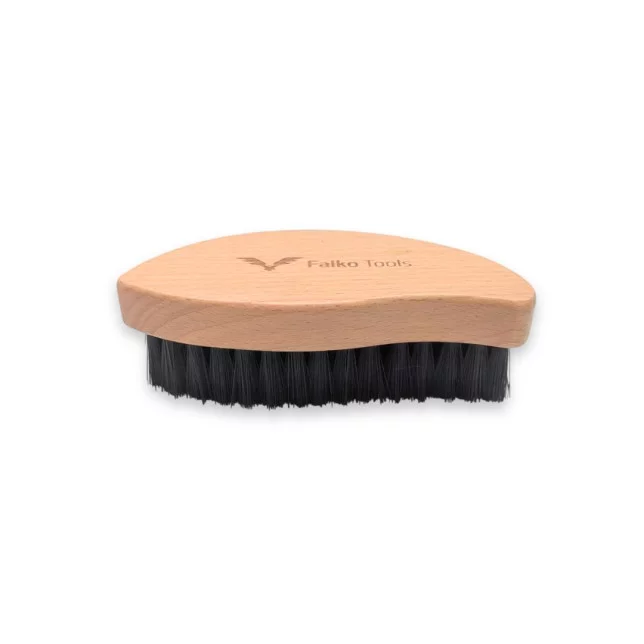
For unpainted plastics, use semi-stiff-bristle detailing brushes; choose similar bristles for cleaning brushes so you can reach into the texture of the plastic. The Master Brush from FALKO TOOLS is ideal. You can also use the same brand’s Palm Leather brush if you want something wider and more ergonomic that still has flexible bristles (it was originally designed for leather).

Protecting new to relatively new plastics:
For new or very recent parts, you can use a basic dressing designed for unpainted plastics. These products are often also suitable for tires and seals.
This type of product only protects the surfaces; it does not restore their pigmentation, as may be needed for older, faded plastics.
One product we particularly like at Maniac-Auto is V.R.P by CHEMICAL GUYS. This synthetic-based product gives a satin-to-gloss finish that closely resembles the original appearance. It protects plastics for many weeks and is water-resistant. After applying it, you can lightly wipe the surface with a microfiber cloth to tone down any slightly greasy appearance.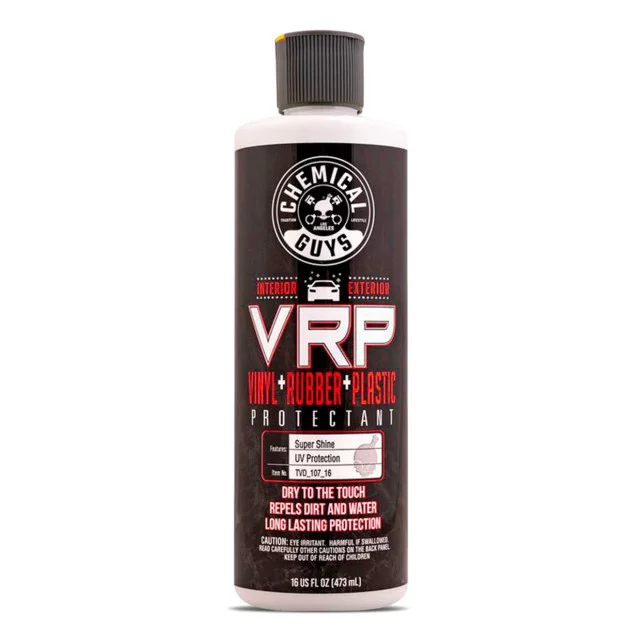
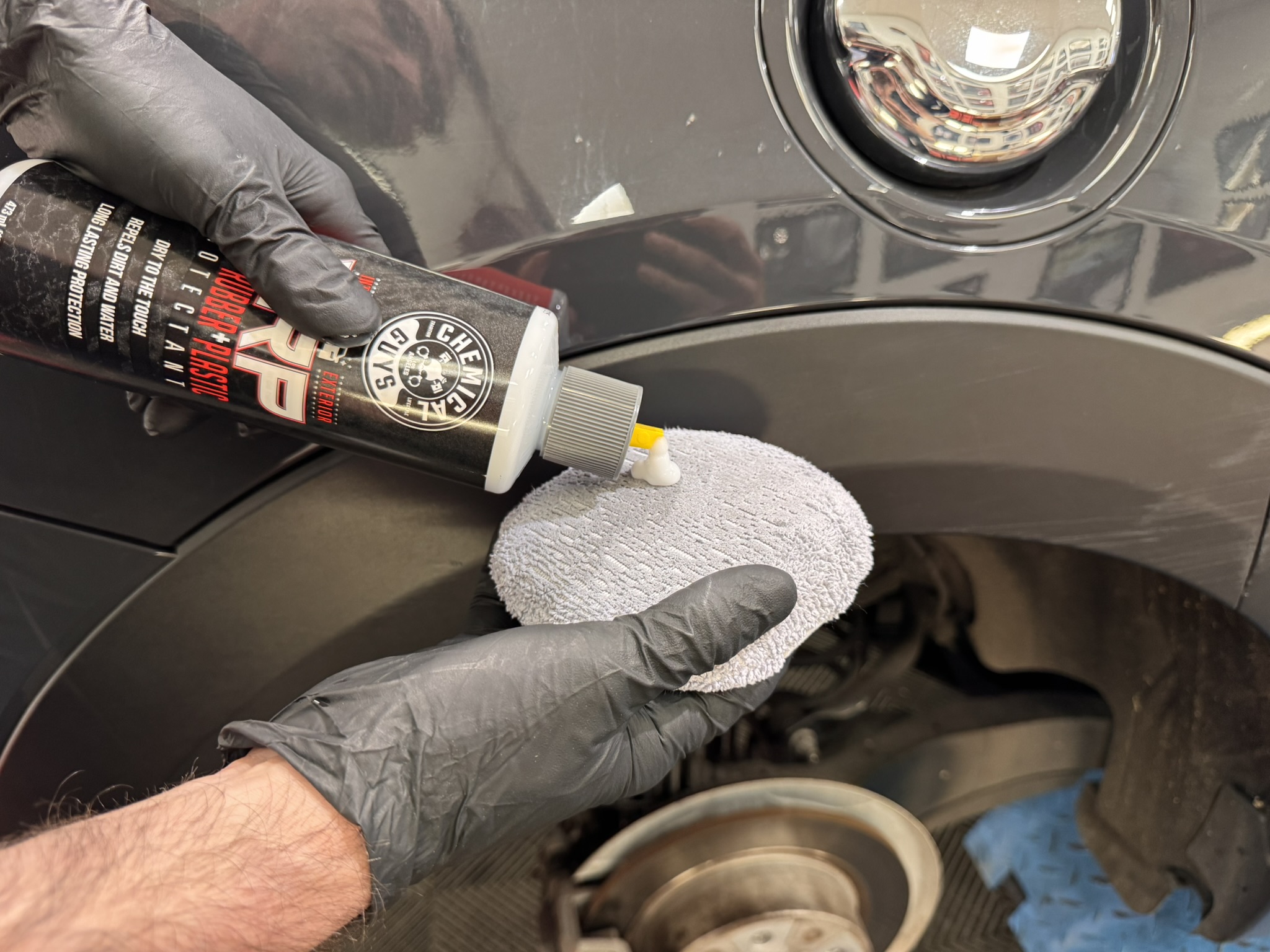
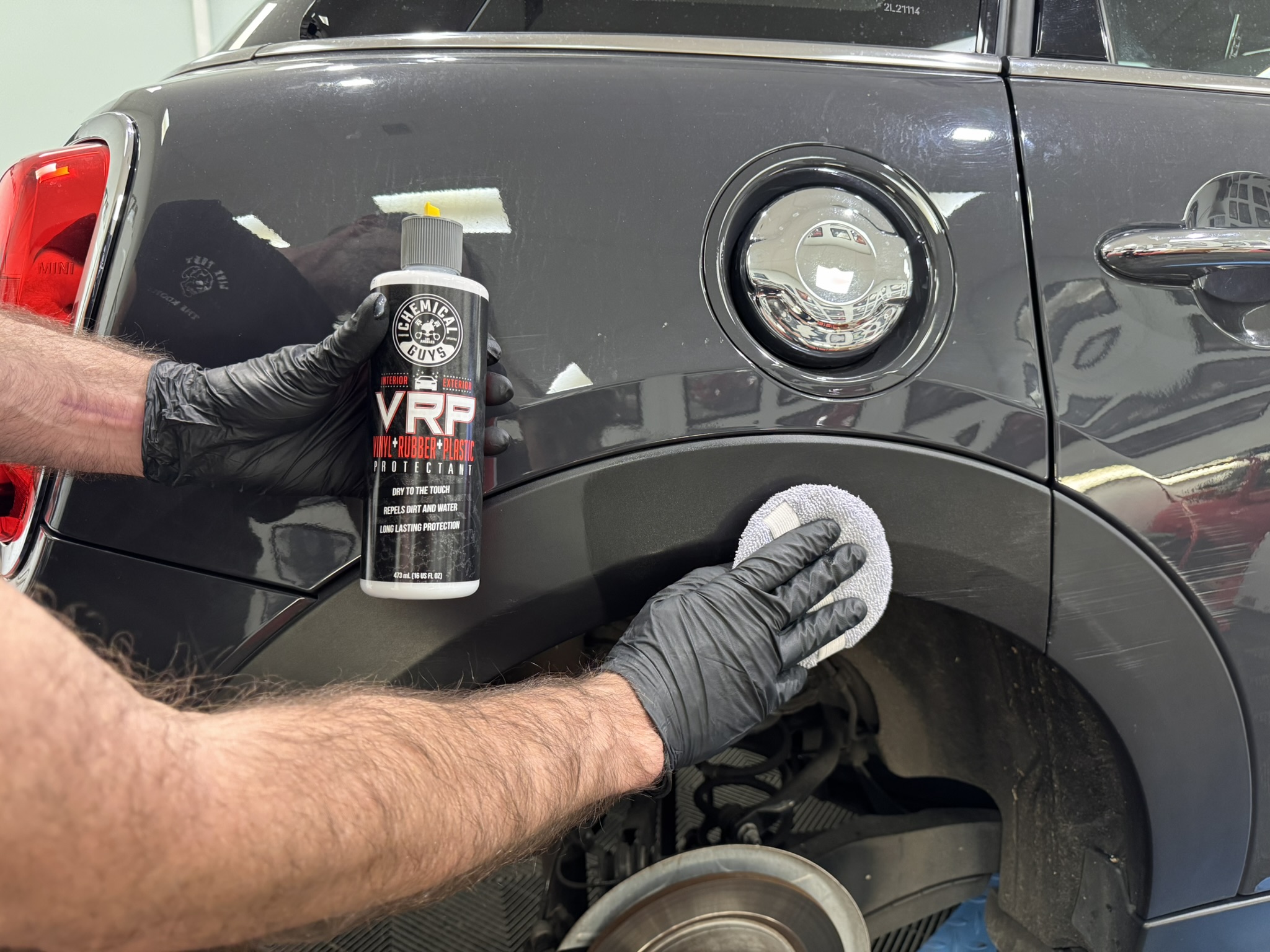
You can reapply V.R.P Dressing approximately every 4 to 6 weeks. It brings out the black color of unpainted plastics and does an excellent job of maintaining your tires.
Protecting older plastics:
On older plastics or those that have experienced substantial UV exposure, a gray or whitish haze can spoil their appearance. Specific ceramic-based products can address this as a restorative treatment. Their solvents break down the surface oxidation, while the products restore pigmentation for a lasting effect (measured in months or years). Thorough cleaning and, above all, degreasing with an isopropyl alcohol-based solution are required.
You can also consider this type of treatment as a preventive measure on new to relatively new plastics, before the problem develops.
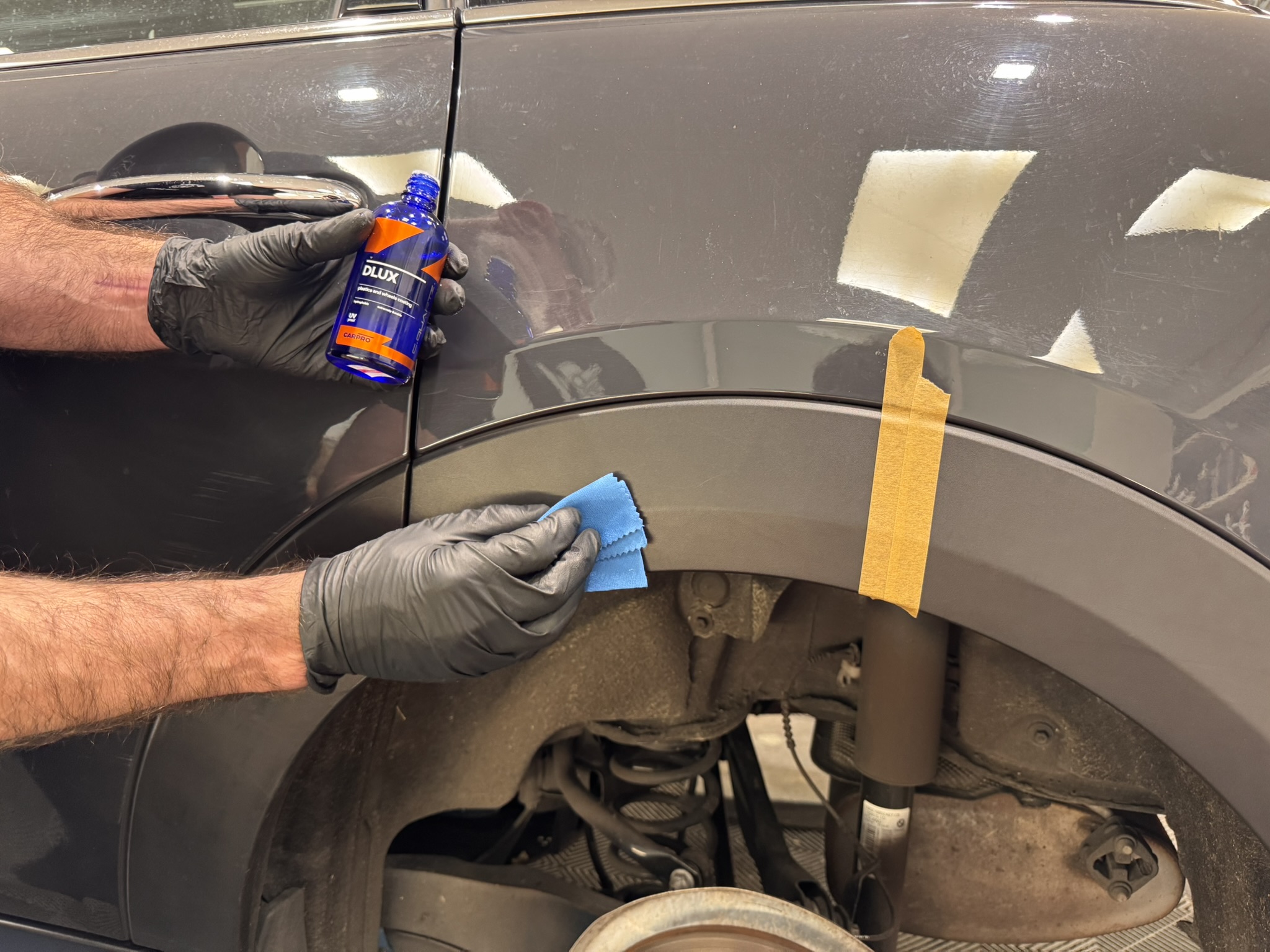
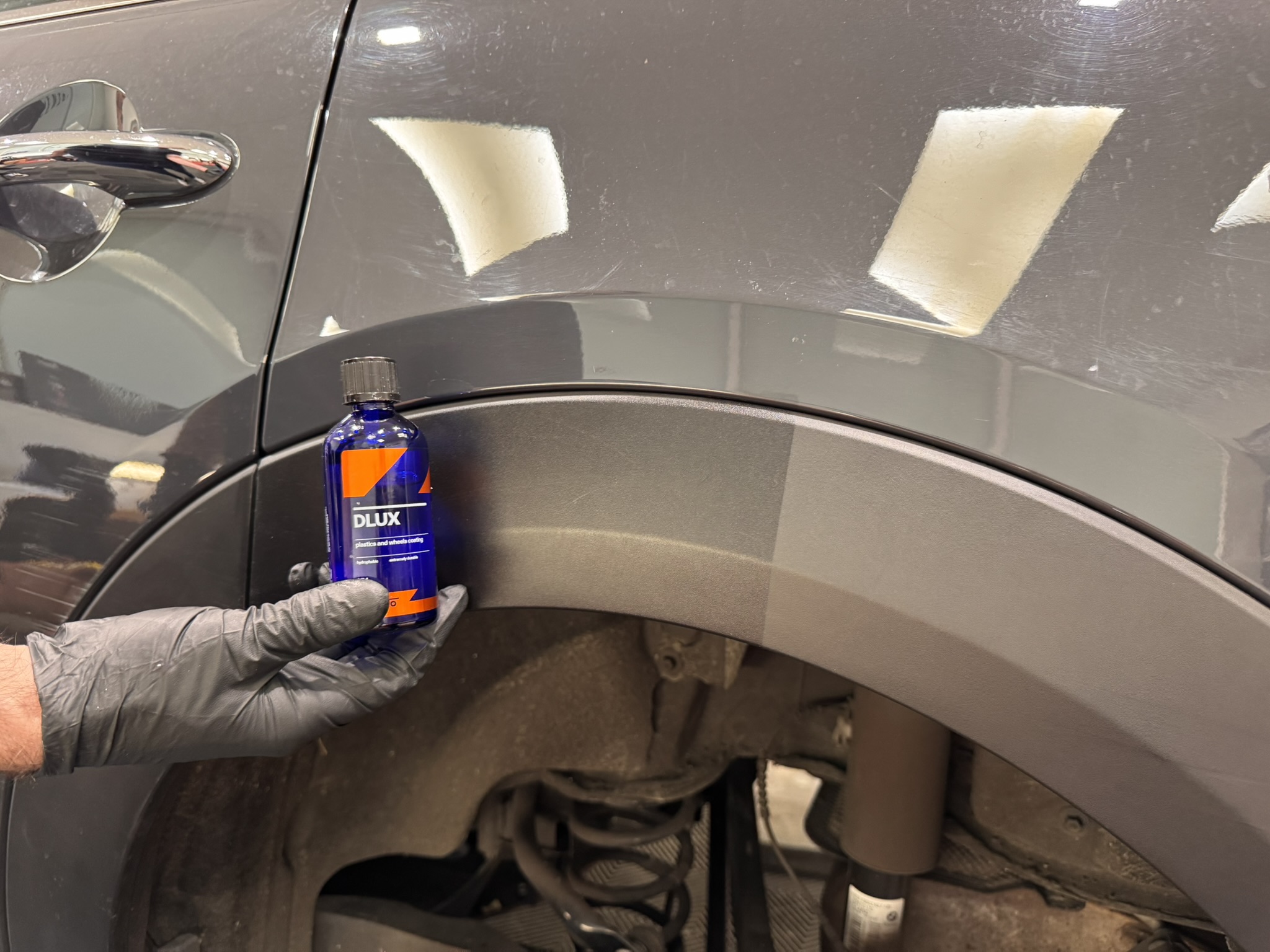
For the process of treating faded plastics (see the illustration of wheel arch flares on a recent Mini), you can use two well-known CARPRO products, Eraser and DLux. Apply the product directly to the part being treated with a clean cotton applicator or suede applicator, leave it for approximately 30 seconds, then wipe it off with a microfiber cloth. The result is unmistakable: the plastic’s black color comes through with an attractive satin finish. You must then keep the treated surfaces dry for at least 12 hours.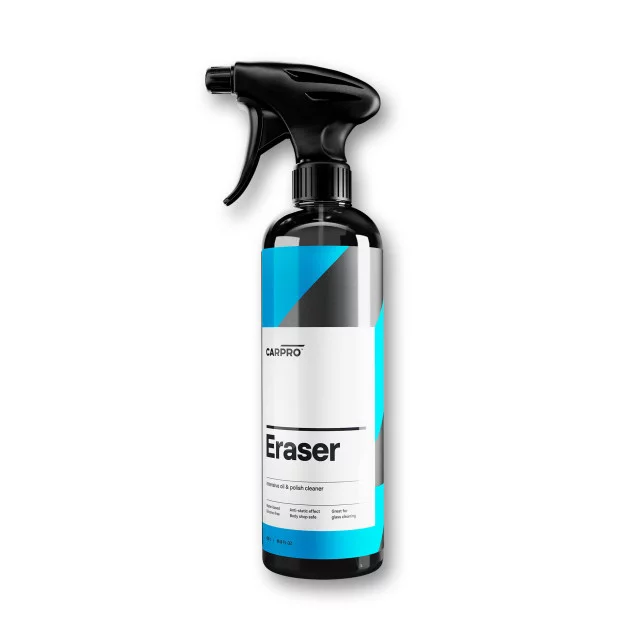
Alternative solutions:
Various alternatives using products found in general retail stores are often suggested online: Polytrol, petroleum jelly, linseed oil, and so on. These may work initially, but most will not last, will leave a very (or overly) glossy, greasy finish, and, most importantly, will not stand up to moisture.
One technique that can work, but requires dexterity and expertise, is surface heating. This involves heating the unpainted plastic very carefully—not too close and not too far away—with a heat gun or, failing that, a blowtorch. It should only be attempted by people who know how to use this technique. Do not try it without experience.
Conclusion:
Exterior plastics deserve close attention. Whether new or old, they need protection to prevent them from fading over time. The sooner you care for your plastics, the better they will age.
These are not professional-only techniques requiring special qualifications; any careful enthusiast can undertake this work. Just be sure to prepare the surfaces by cleaning them thoroughly and drying them well so the dressings can penetrate the plastic.